
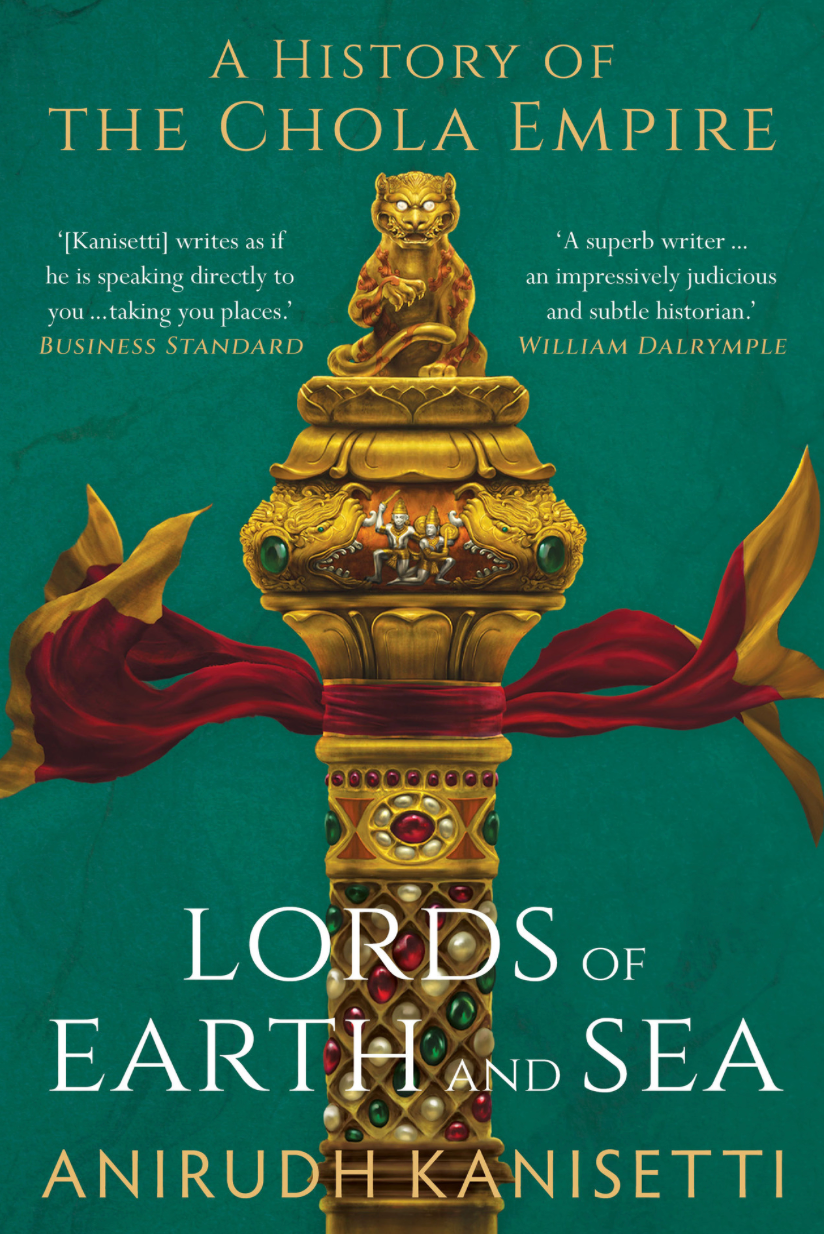
YS 138 | Lords of Earth and Sea: A History of the Chola Empire
Instructor: Anirudh Kanisetti
Dates: May 4 - 29 (4 weeks)
Meetings: Fridays 8-9:30am PDT
Course Description
This course provides an accessible, richly illustrated entry point into one of history's most remarkable civilizations—the Cōḷa (Chola) dynasty (c. 850–1280 CE)—tracing how a regional clan rose over four centuries to reshape the politics, religion, and trade networks of the entire Eastern Indian Ocean world, from the temples of the Kaveri river valley to the shores of Sumatra and Sri Lanka.
The Cōḷa dynasty was one of the most enduring configurations of high medieval southern India, significantly impacting the dynamics of the Eastern Indian Ocean. Emerging within a variegated landscape of village assemblies, Brahmin settlements, and regional military magnates, the dynasty had, by the early 11th century, developed a court system that broadcasted royal charisma through temple networks and unprecedented administrative innovations. Cōḷa military, political, and diplomatic campaigns would permanently transform the Coromandel Coast and beyond, scattering Tamil-speaking merchants, warriors, and peasants across a wide sphere of activity extending—at various times—into present-day Andhra Pradesh, Karnataka, Sri Lanka, and beyond, into the Malay Peninsula and Sumatra.
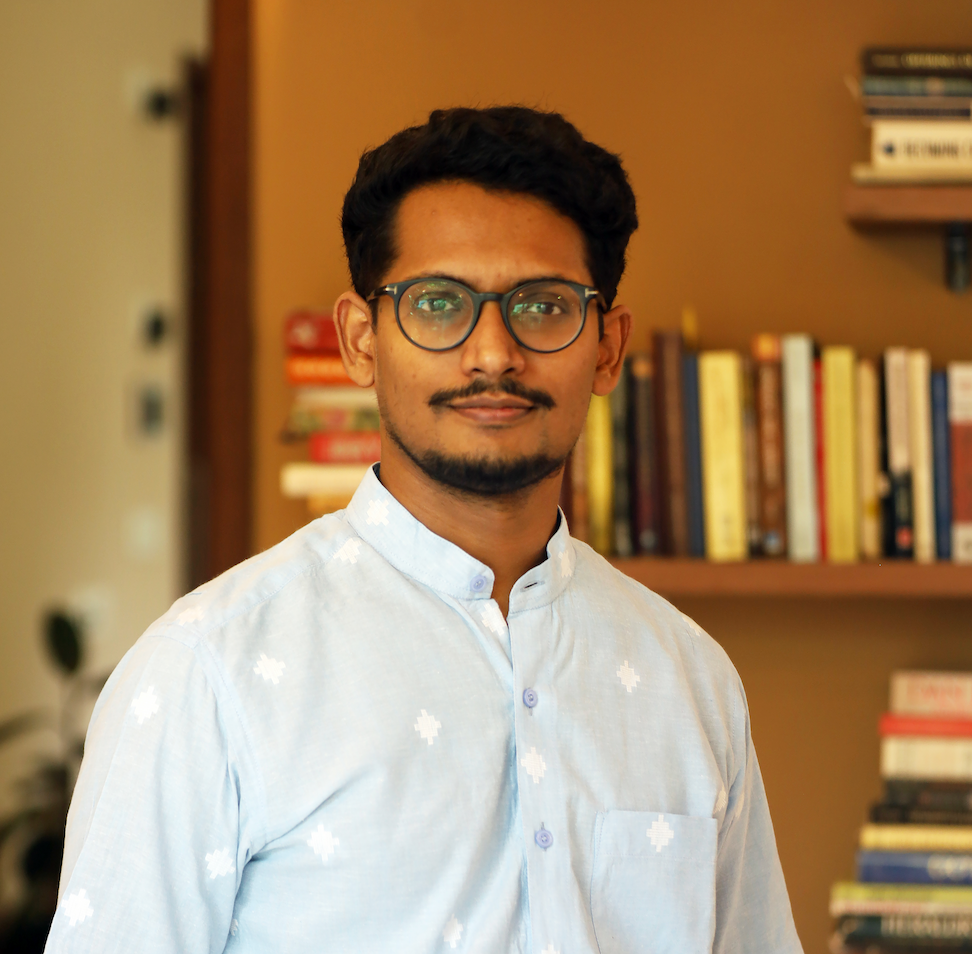
Instructor Anirudh Kanisetti—an award-winning public historian and author of the book on which the course is based—brings fresh scholarly perspectives drawn from epigraphical, art historical, and literary materials to present a comprehensive overview of South India in a time of large-scale transformations.
This course aims to provide an introduction to the worlds that the Cōḷas and their contemporaries inhabited. Beginning in the mid-9th century, at a time when the rising Cōḷa clan jostled with established powers such as the Rāṣṭrakūṭas, Pāṇḍyas and Pallavas. Over four weeks, the course then follows the phenomenon of Cōḷa military, religious and political expansion in the 11th century; sustained temple-based urbanism, driven in part by an assertive middle aristocracy in the 12th century; and new trends in Indian Ocean polities and societies in the 13th century, which a by-then weakened Cōḷa court proved unable to harness, leading to its eventual destruction by resurgent rivals.
Whether you are encountering the world of medieval South India for the first time or deepening a knowledge you already have, this course offers something genuinely rewarding. By the end of the four weeks, students will come away with a nuanced understanding of how temples functioned as engines of economic and social life, how medieval Indian states expanded and eventually dissolved, and why the legacy of the Cōḷa world remains visible in South Asian culture and beyond to this day.
Course Modules
Module 1 — Solar Kings in a Lunar World
Module 2 — Temple Patronage and the Early Cōḷa Family
Module 3 — Crossing Frontiers, Geographic and Political
Module 4 — Tax Evasion, Religious Innovation, and Social Dynamism
Course Preview

Course Structure:
- Each weekly module includes a 90-min pre-recorded lecture, recommended readings (pdfs), and a quiz
- Live Q&A sessions (90 min)
- Fridays @ 8:00-9:30am Pacific Time
- All live sessions will take place via Zoom and will be recorded for later viewing.
Students Will Receive:
- 4 Pre-recorded lectures (90 min each)
- 4 Live Q&A sessions on Zoom (90 min each)
- Recommended PDF readings
- 4 Multiple Choice quizzes
- Yogic Studies Certificate (PDF)
- Access to the private Community Forum
- 4 ACP Credits
- 12 Hours of CE credit with YA
Anirudh Kanisetti
Public Historian & Author
Anirudh Kanisetti is a public historian specialising in the political, commercial, and cultural history of early medieval South India. He is the author of Lords of Earth and Sea: A History of the Chola Empire (Juggernaut, 2025) and the award-winning Lords of the Deccan: Southern India from the Chalukyas to the Cholas (Juggernaut, 2022). Drawing on epigraphy, art history, and literary material, his work reconstructs the shifting networks of kingship, trade, and religious patronage that shaped the Deccan and the Tamil country across half a millennium. His research has received support from Princeton University, the India Foundation for the Arts, and the Museum of Art and Photography, Bengaluru.
Kanisetti's broader scholarly practice spans institutional and editorial work. He served as Editor at the MAP Academy (now impART), where he contributed to the Encyclopedia of Art. He has also held fellowships at the Takshashila Institution and the Deccan Heritage Foundation. His awards include the Sahitya Akademi Yuva Puraskar (2023), the Ramnath Goenka Sahitya Samman, and Tata Literature Live's Non-Fiction Book of the Year (2022).
A committed communicator of historical research, Kanisetti writes the Thinking Medieval column for ThePrint and hosts three podcasts — Echoes of India, YUDDHA: The Indian Military History Podcast, and The Altar of Time: A History of India's Christian Art. He has presented for the BBC and Arté. His work consistently foregrounds the material and epigraphic record to challenge colonial and nationalist framings of the subcontinent's past, making him a distinctive voice on the political and religious worlds of the Cholas and their contemporaries.
🐦 Catch the Early Bird Enrollment!
Save 20% off YS 138, now through Monday April 20th @ 2pm PDT
00
DAYS
00
HOURS
00
MINS
00
SECS
Enrollment is OPEN
This course is eligible for 12 hours of Continued Education (CE) credits with Yoga Alliance
Stay Informed
Sign up for the Yogic Studies mailing list to find out first about upcoming courses, podcast episodes, promotions, events, and the latest research delivered straight to your inbox.